
You’ve probably noticed that little padlock icon next to a website’s URL and wondered what it’s all about. It’s more than just an icon, it’s a sign of security – the result of something called SSL certificates and HTTPS. But what are they exactly? And why do they matter for SEO? Well, as you navigate through the complex world of website development and search engine optimisation (SEO), understanding these aspects can give your site a serious boost. Not only do they protect your site from potential threats, but they also enhance its credibility, thereby influencing your SEO ranking. So let’s dive into the nitty-gritty of SSL certificates and HTTPS, understand their importance in web security, and uncover how they impact SEO. By the end of this article, you’ll be able to evaluate your current security measures and anticipate future trends in web security for SEO.
Understanding the Importance of Web Security
You’d be shocked to know how critical web security is, not just for protecting your data, but also for boosting your website’s SEO performance. The world of the internet is fraught with malware, hackers and various types of online threats that can potentially harm your website and its users.
The consequences of security breaches are severe – they can lead to loss of sensitive data, damaged reputation, legal repercussions, and even financial ruin in some cases. This is where SSL certificates play a pivotal role. They provide an encrypted connection between the user’s browser and the server hosting the website. This encryption ensures that no third party can intercept or manipulate the data being transferred.
But it’s not just about avoiding dire consequences; there’s more than meets the eye when it comes to web security. It significantly influences how search engines perceive your site too! Websites with SSL certificates are deemed trustworthy by search engines like Google which prioritise secure sites in their ranking algorithm.
Moreover, privacy policies hold immense importance as well – they are essentially contracts between you and your users about how their information will be used and protected. An explicitly stated privacy policy gives visitors confidence in using your site securely which results in increased traffic and better engagement.
So now you see why you need to pay serious attention towards securing your website – it’s crucial for both protection from threats as well as improving SEO performance. And remember: A secured site isn’t merely a preference anymore – It’s a necessity in today’s digital landscape!
Defining Key Terms and Concepts
Before we dive in, let’s clear up some jargon so you’re not left feeling like you’re deciphering a secret code. Secure Sockets Layer (SSL) certificates and Hypertext Transfer Protocol Secure (HTTPS) are crucial players in the world of web security.
An SSL certificate is a digital document that authenticates the identity of your website and encrypts any information sent to your server. Translation? It converts sensitive data into an indecipherable format, keeping it safe from prying eyes.
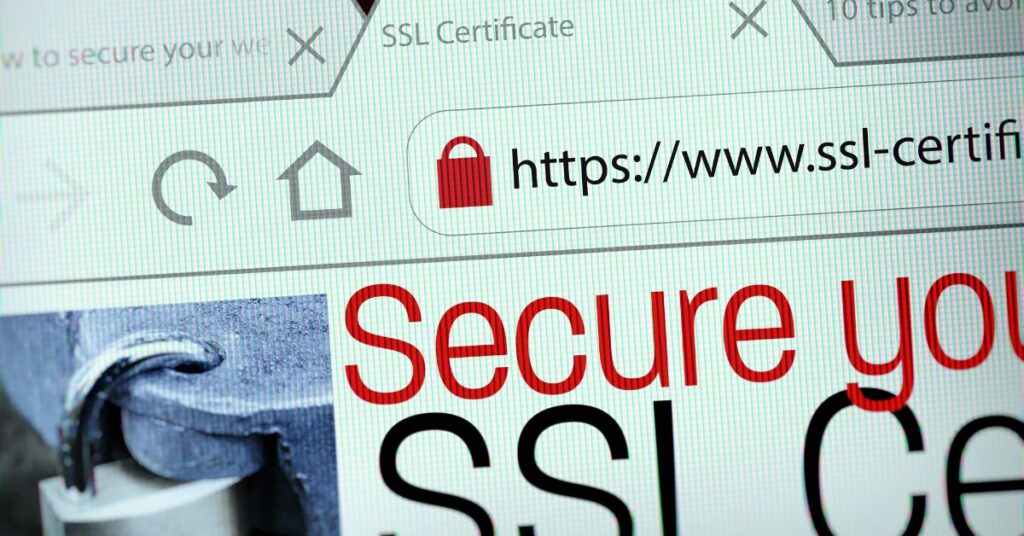
Now, HTTPS is essentially HTTP but with additional security provided by SSL. When a website uses HTTPS instead of just HTTP, it means all communications between your browser and the website are encrypted and secure. You’ve probably noticed this when the URL bar displays a little padlock icon; that’s assurance from HTTPS that your connection to the site is private.
These terms might feel overwhelming at first glance, but they’re fundamental components of our vastly intricate cyber threat landscape. Having an understanding of them helps in recognising potential security vulnerabilities on websites – especially if you own or manage one.
It’s also worth noting that Google appreciates sites using HTTPS, viewing it as a trust signal for their ranking algorithm. This means utilising SSL certificates and converting to HTTPS can potentially boost your SEO rankings – an added perk besides securing user data!
So now that we’ve decoded these critical terms: SSL certificates and HTTPS, we hope it’s clear why they’re key assets in maintaining web security while navigating this ever-evolving online environment we operate within daily — without them, we’d be inviting unnecessary risks into our digital lives.
The Role of Encryption in Data Protection
Imagine a world where every single piece of information you send over the internet – from your credit card details to private messages – is like a sealed envelope, only readable by the intended recipient. This is essentially what encryption does for data protection; it’s akin to using an indecipherable secret code that only the sender and receiver can understand, ensuring that even if someone intercepts your ‘envelope’, they’re left staring at gibberish.
There are several encryption techniques applied in cybersecurity. Symmetric key encryption, for instance, uses one key for both encoding and decoding data. Asymmetric key encryption utilises two keys: one public and one private. The public key is used to encrypt data while the private key deciphers it. Hash functions also play a role, creating unique identifiers from input information which are then impossible to reverse-engineer.
SSL certificates employ these encryption methods when transferring data between servers and browsers — this secure connection is signified by HTTPS in web addresses. Without SSL certificates and HTTPS, your sensitive information could be vulnerable to cyber threats such as eavesdropping or man-in-the-middle attacks.
Cybersecurity laws mandate businesses handling personal data to implement robust security measures including strong encryption algorithms as part of their overall security strategy — not just for compliance but also for maintaining customer trust.
Remember this: Encryption isn’t merely a technical jargon tossed around by IT professionals; it’s an essential element of secure online interactions. A website’s use of SSL certificates and HTTPS indicates its commitment towards protecting user privacy, strengthening brand reputation and potentially improving SEO ranking due to enhanced user experience marked by safety assurances.
The Connection Between Web Security and SEO
It’s often overlooked, but a strong correlation exists between robust web security measures and improved search engine optimisation (SEO) performance. This connection is largely driven by Google’s commitment to ensuring that its users have safe browsing experiences. As such, the search giant has incorporated security factors into its SEO algorithms.
Google prioritises websites with HTTPS over those with HTTP in its ranking system. HTTPS signifies that a website uses SSL certificates for encryption, providing secure interactions between users and the site. Security algorithms like SSL help protect sensitive data from cyber threats, making your website not just safer for visitors but also more appealing to search engines.
But how exactly does this affect SEO? Well, if you’ve invested time and effort into optimising your content using keywords and high-quality backlinks, yet neglected web security, you might find yourself falling behind in rankings. Google’s SEO algorithms take note of sites that use HTTPS protocols because they provide a safer browsing experience for users.
This doesn’t mean that merely shifting from HTTP to HTTPS will skyrocket your website to the top of SERPs overnight. It’s just one factor among many others like mobile-friendliness, page load speed etc., however it can give you an edge over competitors who haven’t made the switch yet.
Making web security a part of your SEO strategy is no longer optional; it’s necessary for gaining traction online today. By understanding how systems like SSL work and implementing them on your site, you’re not only protecting your user data but also boosting your chances of achieving better rankings on search results pages.
Decoding the Alphabet Soup: SSL and HTTPS
Feeling overwhelmed by the tech jargon and acronyms? Let’s delve into the world of web security, clarify what these terms mean, and understand why they’re so crucial for your site’s success.
SSL stands for Secure Socket Layer. It is a standard security measure used to establish encrypted links between a server (where your website data resides) and a client (the user accessing your site). The SSL evolution has led to its successor, Transport Layer Security (TLS), but the term “SSL” is still widely used in discussions about web security.
HTTPS, or Hypertext Transfer Protocol Secure, is an augmented version of HTTP. That ‘S’ at the end signifies that communication between your browser and the website you’re visiting is encrypted – it’s using either SSL or TLS.
Understanding these terminologies isn’t just some geeky obsession; it’s vital for all site owners because of their implications on SEO. Google considers HTTPS as a ranking factor – meaning websites secured with SSL are more likely to rank higher in search results compared to their unsecured counterparts.
However, while moving from HTTP to HTTPS offers significant benefits like building users’ trust and improving website rankings, there could be HTTPS pitfalls if not executed correctly. These may include broken links, loss of social share counts or even de-indexing from Google’s search results if proper redirections aren’t put in place during migration.
Despite these potential challenges though, securing your website with an SSL certificate and shifting to HTTPS remains paramount not only for SEO purposes but also for safeguarding sensitive information transferred across the internet every single day. So yes, it might seem like alphabet soup right now but understanding how these pieces fit together can make all the difference in making your online presence secure and visible.
Steps to Implement Secure Protocols
Ready to beef up your website’s security and boost its visibility? Let’s dive into the essential steps for implementing these secure protocols on your website. It’s not as daunting as it sounds, but does require a bit of technical knowledge and understanding.
Start with Protocol Selection. The first step in securing your site is choosing the right protocol. You’ll want to opt for HTTPS —the secure version of HTTP— which uses SSL or TLS (Transport Layer Security) to encrypt data transferred between a user’s browser and the web server. This prevents anyone from being able to ‘eavesdrop’ on the conversation, so to speak.
Next, you’ll need Certificate Management, which is crucial in maintaining trust and credibility with users and search engines alike. Purchase an SSL certificate from a trusted Certificate Authority (CA). There are various types of certificates available depending on your needs: from domain-validated certificates that simply verify ownership of the domain, all the way up to extended validation certificates that involve rigorous checks of your business by the CA.
Once purchased, install this certificate onto your website’s hosting account. Remember that after installation, you should set up redirects so any HTTP traffic is sent over HTTPS instead.
The final step involves updating all internal links within your site to ensure they use HTTPS rather than HTTP. This includes resources like images and scripts too!
Though it might seem complex at first glance, following these steps will give you a leg-up in SEO rankings while ensuring optimum security for both yourself and visitors to your site. A win-win situation if there ever was one!
Boosting Your Website’s Credibility
Boosting your website’s credibility isn’t just about implementing secure protocols; it’s also about ensuring your content is high-quality, relevant and user-friendly. This involves a comprehensive approach that encompasses both technical aspects, like SSL certificates and HTTPS protocols, as well as other vital factors such as brand reputation and credibility metrics.
When people visit your site, they want to know they’re in safe hands. That’s where SSL certificates come in. They act as a digital passport for your website, providing authentication and enabling encrypted connections. This means users’ sensitive data is safeguarded, which enhances trustworthiness.
However, the importance of having credible content cannot be understated either. It should align with what users are looking for and provide value to them. Consistently delivering high-quality content can boost your credibility metrics significantly over time.
Brand reputation plays an integral role too. A strong brand reputation is built on trust, authenticity, transparency and quality service or products – all of these factors contribute towards improving the perceived reliability of your site among its audience.
While SEO strategies are important for driving traffic to your site, ultimately it’s the perception of security and integrity that will keep visitors coming back. Striking a balance between secure protocols like HTTPS implementation while maintaining focus on user-friendly content is key here.
Remember: Building trust takes time but losing it can happen quickly if you fail to prioritise security or neglect the importance of offering quality content that resonates with users’ needs and preferences. Therefore, make sure you invest enough resources into boosting both technical safety measures along with enhancing overall user experience on your site.
The Impact on User Trust and Confidence
Continuing from how SSL certificates boost your website’s credibility, let’s delve deeper into the impact they have on user trust and confidence. It is well-established that establishing and maintaining user trust online can be a challenging endeavour. However, incorporating SSL certificates into your website design plays a considerable role in this process.
Understanding consumer perception about online safety is crucial. When visitors see the ‘https://’ in your URL along with the padlock icon, they immediately perceive your site as secure and trustworthy. The presence of these elements indicates to users that any data they share with you will remain confidential and safe from hackers or third-party interventions. This sense of security might seem minor but it forms an essential component of trust building in online interactions.
Beyond securing information exchanges, SSL certificates provide validation for your website’s identity. They give assurance to consumers that they are indeed interacting with the intended party, not a malicious impostor trying to steal their details under false pretence.
The improvement in consumer confidence extends beyond single transactions; it fosters long-term relationships between business and customers by creating an environment of reliability and security for future interactions. Trust isn’t built overnight – it takes time and consistent effort to establish.
When you invest in SSL certificates for your site’s security, you’re not just ticking off a technical requirement; you’re actively contributing to shaping positive user experiences on your platform, enhancing both immediate engagements and future customer loyalty. So remember: A secure website doesn’t only benefit SEO rankings – it also enhances consumer trust which ultimately drives business growth.
Evaluating Your Current Security Measures
Taking a step back to evaluate your current security measures can be like gazing into a mirror, reflecting the strengths and weaknesses of your online fortress. The first action you should take is conducting thorough security audits. This will show any vulnerabilities in your system so you’re not blindsided by unwanted surprises.
Security audits are comprehensive reviews of an organisation’s information system. They assess how well it adheres to various established criteria such as company policies, government regulations, or industry standards. These exams can be performed by internal staff or outsourced to professional auditors with specialised knowledge in web technologies and cybersecurity.
The next crucial step is risk assessment, which involves identifying potential threats and vulnerabilities that could exploit these weaknesses. It also helps determine the impact that such exploitation would have on your operations. The goal here is to prioritise risks based on their likelihood of occurrence and potential damage they could cause.
A comprehensive risk assessment examines every aspect of your website from server configuration, SSL certificates installation, software versions up-to-date status, password policy compliance among others areas. With this information at hand, you can then formulate an effective strategy for managing those risks.
Remember that having HTTPS enabled and valid SSL certificates installed are fundamental elements of building trust with users while positively contributing to SEO efforts. They aren’t just shiny badges but essential tools in securing data transmission between browsers and servers effectively preventing unauthorised access or tampering with transmitted data.
So don’t wait until a breach happens before taking action; regularly evaluate your security measures because when it comes to cyber threats, prevention is always better than cure!
Future Trends in Web Security and SEO
After evaluating your current security measures, it’s crucial to stay ahead of the curve by understanding future trends in web security and SEO. This proactive approach can help you navigate potential challenges and keep your website optimised for search engine algorithms.
One critical trend to watch out for is the role of emerging cybersecurity technologies. These advancements are becoming increasingly significant as cyber threats become more sophisticated and prevalent. For instance, next-generation firewalls (NGFWs) offer deeper inspection capabilities that traditional firewalls lack. They examine packets up to the application layer, providing a stronger defence against advanced persistent threats (APTs).
Similarly, secure web gateways (SWG) are evolving into cloud-based services offering comprehensive protection against web-borne threats while ensuring compliance with corporate content policies. In addition, encryption technology continues to develop at a rapid pace, with quantum cryptography representing the next frontier in secure communications.
On another front, AI’s role in SEO is becoming increasingly prominent. Search engines like Google use artificial intelligence to better understand user intent and deliver more relevant search results. This means that businesses need to adapt their SEO strategies accordingly – focusing not only on keywords but also on creating high-quality content that meets users’ needs effectively.
As these trends continue to evolve, it’s vital for you not just focus on implementing SSL certificates and HTTPS protocol but also keeping updated with these advancements. Embracing new technologies like NGFWs or SWGs while adapting your SEO strategy towards AI-driven requirements could ultimately enhance your site’s visibility on search engines while providing robust security measures against cyber threats.
Conclusion
You’ve learned the importance of web security, encryption, and their impact on SEO. Now you know SSL and HTTPS aren’t just jargon, but crucial for your site’s credibility and user trust. It’s time to evaluate your current security measures and stay aware of future trends. Remember, a secure website isn’t just good for SEO; it’s essential for your users’ peace of mind too.
Source: https://www.firstpageseoagency.co.za/ssl-certificates-and-https-in-seo/
Video: SSL Certificates And HTTPS In SEO
Boilerplate and Editor’s Notes.
More Info on SSL Certificates And HTTPS In SEO here:
CLICK HERE to submit your press release to MyPR.co.za.

 Javascript Rendering And SEO: What You Need To Know