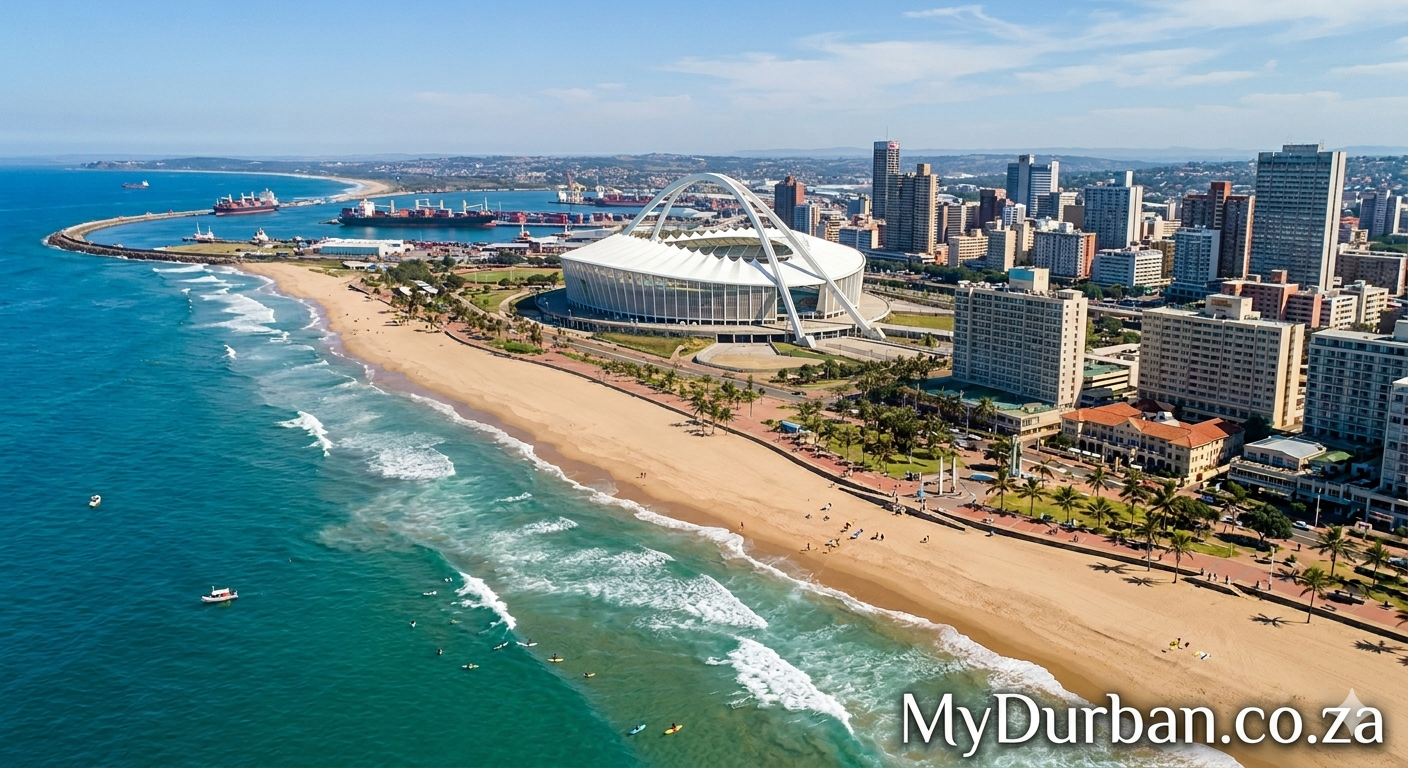
A “Valley of 1,000 Hills” image from Flickr – click on the name of the photographer below to see more Durban goodness and to thank the photographer.
Sutton Mountain
Photo by BLM Oregon & Washington

The painted hills of the Sutton Mountain Wilderness Study Area in central Oregon is one of those BLM gems that almost no-one outside the local area has heard about. The lower part of the WSA has exposures of the same clay formations that are found in the much smaller but equally spectacular John Day Fossil Beds National Monument, Painted Hills Unit, which lies just across the valley.
The upper peak of Sutton Mountain itself rises 2,000 feet above the valley with layers of ash and basalt building to the crest. The area is near the John Day River about an hour northeast of Prineville.
The Sutton Mountain (28,872 acres) Wilderness Study Areas is comprised of public lands which are under consideration for wilderness designation by Congress. These lands area managed by the BLM in a manner which maintains their suitability for preservation as wilderness.
When visiting, we ask the everyone bring along the 10 essentials and respect the following regulations:
-Vehicle Use: Motorized vehicle use is limited to roads signed as designated routes as depicted on the map.
-Cross-country travel on foot or horseback is allowed; however, cross-country vehicle travel is strictly prohibited.
-Violations of motor vehicle use restrictions are subject to a fine up to 00 and/or imprisonment.
-Leave a clean camp by practicing the “Pack it In, Pack it Out” ethic and leave the site better than as you found it.
-Give wildlife a break: camp away from watering areas.
-Use dead and down wood for campfires; the cutting of live vegetation or standing dead trees is prohibited.
-Obtain landowner permission before crossing private land.
More information is available at: www.blm.gov or stop by or call the Prineville BLM Office.
Prineville BLM
3050 N.E. 3rd Street
Prineville, OR 97754
Email: BLM_OR_PR_Mail@blm.gov
Phone: 541-416-6700
To learn more about wilderness study areas head on over to:
www.blm.gov/programs/national-conservation-lands/oregon-w…
Photo: Michael Campbell, BLM
Click here to submit your News – free.
Have you tried: Travelling to South Africa?
Quick Durban KwaZulu-Natal Fact: The Golden Mile is traditionally Durban’s most popular tourist attraction, and has had many incarnations over the decades, from the sedate promenade where elegant Victorian and Edwardian ladies and gentleman used to enjoy an afternoon stroll, to the vibrant and colourful spot it is today. Its profile may have changed, but one constant has remained throughout the years – the Zulu Rickshaw Runners. Durban’s first 10 rickshaws were imported from Japan in 1892 by sugar magnate, Marshall Campbell. To everyone’s astonishment, they rapidly became a popular mode of transport in and around Durban and soon crowded the streets of the city. In those days, being a Rickshaw Runner – the man who pulled the rickshaw cart – was a (comparatively) well-paid and sought-after position. The City proposed that these men wear simple calico uniforms, which they embellished with traditional Zulu adornments, giving rise to the now-famous Durban rickshaw dress. Today, rickshaw men are an indelible feature of the Durban beachfront!.
Watch a Video:

 Missing person case opened for husband of murdered KZN pastor