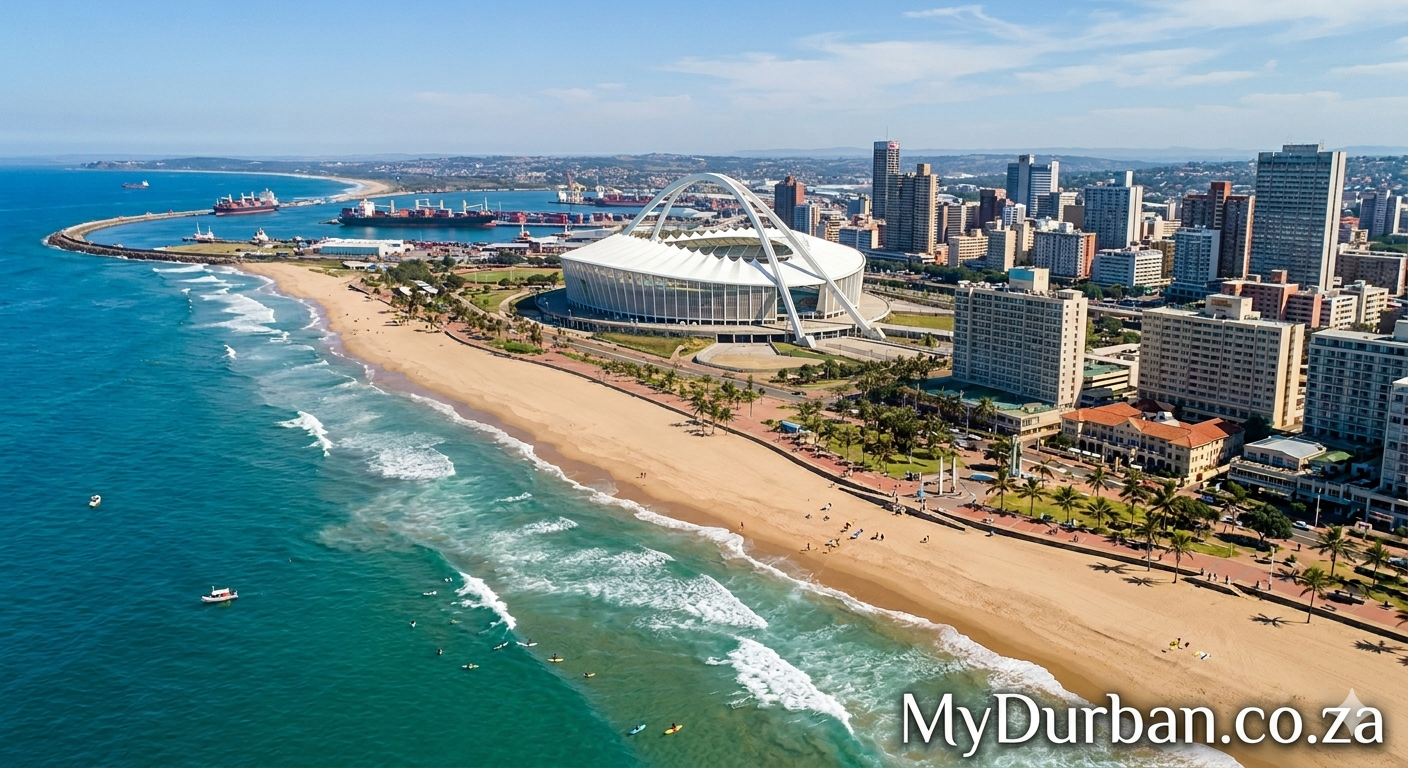
A “Durban Sailing” image from Flickr – click on the name of the photographer below to see more Durban goodness and to thank the photographer.
Image from page 29 of “Travels in the interior of South Africa, comprising fifteen years’ hunting and trading; with journeys across the continent from Natal to Walvis Bay, and visits to Lake Ngami and the Victoria Falls” (1868)
Photo by Internet Archive Book Images

Identifier: travelsininterio01chap
Title: Travels in the interior of South Africa, comprising fifteen years’ hunting and trading; with journeys across the continent from Natal to Walvis Bay, and visits to Lake Ngami and the Victoria Falls
Year: 1868 (1860s)
Authors: Chapman, James, traveller
Subjects: Natural history
Publisher: London, Bell & Daldy
Contributing Library: University of Pittsburgh Library System
Digitizing Sponsor: University of Pittsburgh Library System
View Book Page: Book Viewer
About This Book: Catalog Entry
View All Images: All Images From Book
Click here to view book online to see this illustration in context in a browseable online version of this book.
Text Appearing Before Image:
g into the Indian Ocean. On rounding the bluff of Natal, endless forests, in whichevery shade and hue of colour richly commingle, break uponthe view, and the voyager already hears in imagination thesongs of the feathery tribes, or the shrill cry of the elephantand other beasts of chase, which he knows by repute toabound in them. Having crossed the bar, sometimes a * Two hundred streams flow into the ocean between Port Natal and theeastern frontier of the British possessions in South Africa. VOL. I. B CHAPMANS Til A VELS. [chap. I. dangerous impediment to the approach of sailing vessels,the Bay of Natal is entered by a very narrow passage,scarcely fifty yards broad. In the port seven or eight vessels,of from 100 to 400 tons burthen, are generally to be seenmoored within a stones throw of the custom-house, and thework and bustle entailed by the operations of loading anddischarging cargoes give life and activity to the scene, whilethe many sailing or pleasure boats on a breezy afternoon,
Text Appearing After Image:
NATAL FROM THE SEA. skimming the surface like swans in the distance, perhapsstill more enliven the view. Having lived at Natal for four years before my returnthere in 1849, I had seen the colony rising with suchrapidity as to appear to me quite astonishing. Instead ofthe thirty or forty mud and wattle-and-daub houses whichformed the town of DUrban when I left it in 1845, scatteredfor the most part over a large area of unoccupied and un-cultivated ground, I now found the houses so crowded intonew streets and avenues, that I could not again recognise ciiAi-. i.] NATAL. 3 old and familiar places, nor did I know my way tlirough thetown. Wooden, iron, briek, and stone houses and stores hadnow superseded the former mud dwellings, and the town,I was informed, contained at that time a population ofupwards of 1000 souls, mostly English. Natal having made this rapid progress, and possessingevery advantage of climate and extraordinary fertility of soil,already bids fair to become one of the most
Note About Images
Please note that these images are extracted from scanned page images that may have been digitally enhanced for readability – coloration and appearance of these illustrations may not perfectly resemble the original work.
Click here to submit your News – free.
Have you tried: Travelling to South Africa?
Quick Durban KwaZulu-Natal Fact: Cricket – The Dolphins, the successor to KwaZulu-Natal, who compete in South Africa’s domestic first-class competition, the SuperSport Series.
Watch a Video:
