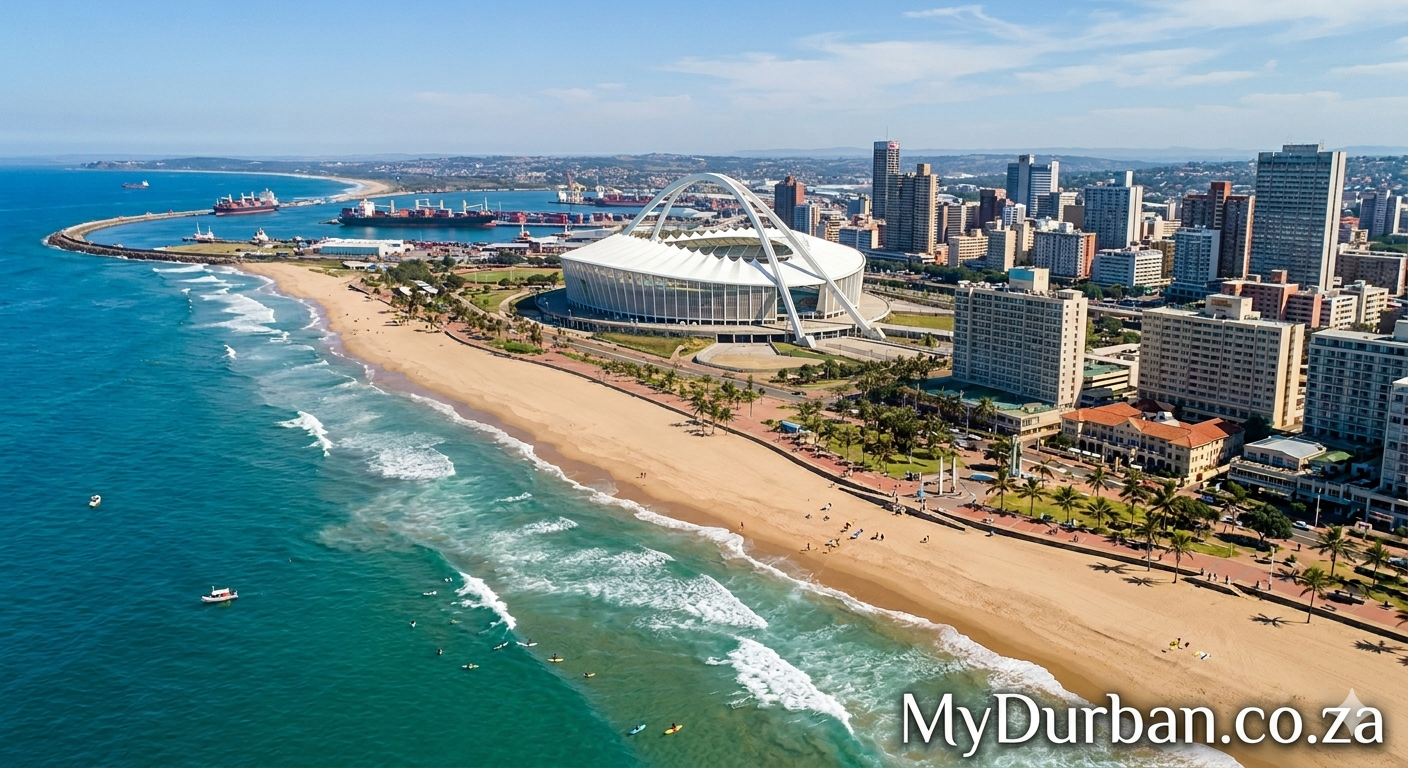
A “Valley of 1,000 Hills” image from Flickr – click on the name of the photographer below to see more Durban goodness and to thank the photographer.
Dark Clouds Ahead
Photo by Jocey K
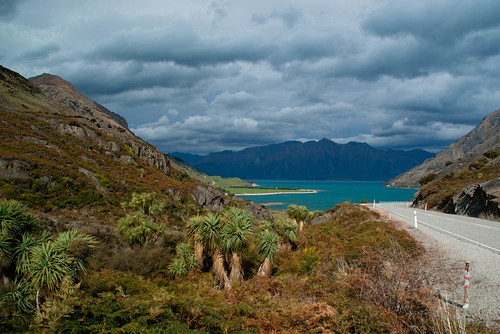
The wind was really blowing at Lake H?wea on our way to Queenstown from Hokitika on the West Coast on our third day of my friends from the UK, trip around the South Island. It was a long day of travelling but saw so many interesting places on the way to Queenstown.
November 4, 2013 New Zealand.
Lake H?wea is located in the Otago Region of New Zealand, at an altitude of 348 metres. It covers an area of some 141 km² and is, at its deepest, 392 metres deep. Its name is M?ori and is thought to be named after a local tribe though the exact meaning is uncertain.
In 1958 the lake was raised artificially by 20 metres to store more water for increased hydroelectric power generation.
At its greatest extent, which is roughly along a north-south axis, the lake is 35 kilometres long. It lies in a glacial valley formed during the last ice age, and is fed by the Hunter River. Nearby Lake Wanaka lies in a parallel glacial valley eight kilometres to the west. At their closest point (a rocky ridge called The Neck), the lakes are only 1000 metres apart. Lake H?wea is dammed to the south by an ancient terminal moraine created some 10,000 years ago.
The only flat land around the lake is at its southern end, surrounding its outflow into the H?wea River, a short tributary of the Clutha, which it joins near Albert Town. The settlement of H?wea is found at the lake’s southern shore.
The lake is a popular resort, and is well used in the summer for fishing, boating and swimming. The nearby mountains and fast-flowing rivers allow for adventure tourism year-round, with jetboating and skiing facilities located nearby.
In pre-European history, H?wea had an important role, when, in the 1830s the M?ori residents of H?wea brought warning to the residents of the South Island east coast of a planned attack over alpine passes by a war party of the warrior Te Puoho.
Taken from and for more info: en.wikipedia.org/wiki/Lake_H%C4%81wea
Click here to submit your News – free.
Have you tried: Travelling to South Africa?
Quick Durban KwaZulu-Natal Fact: The “Cuban Hat” and its neighbour “The Nest” were two very popular drive in locales situated on the then Lower Marine Parade in Durban. They were especially popular in the late 50s / early 60s when own car transport became an essential must have amongst young adults. These were the days when young adult life changed considerably when freedom of movement, the changed music and habits of the time and there was a general improvement in living standards. Initially any form of car was better than none because as the saying was, it enabled you to get to “where the action was”. Action being where parties, socials, “sessions” and get togethers. The fact that you could pick up your mates or girl friends and go together as a group made life good. Parents of the time had to adjust to the times because they were brought up when stricter parental control was generally enforced. The days of dates being, sitting in the lounge with the parents were no longer and life was now centred on getting out and about and mixing with your own age group.
Watch a Video:
