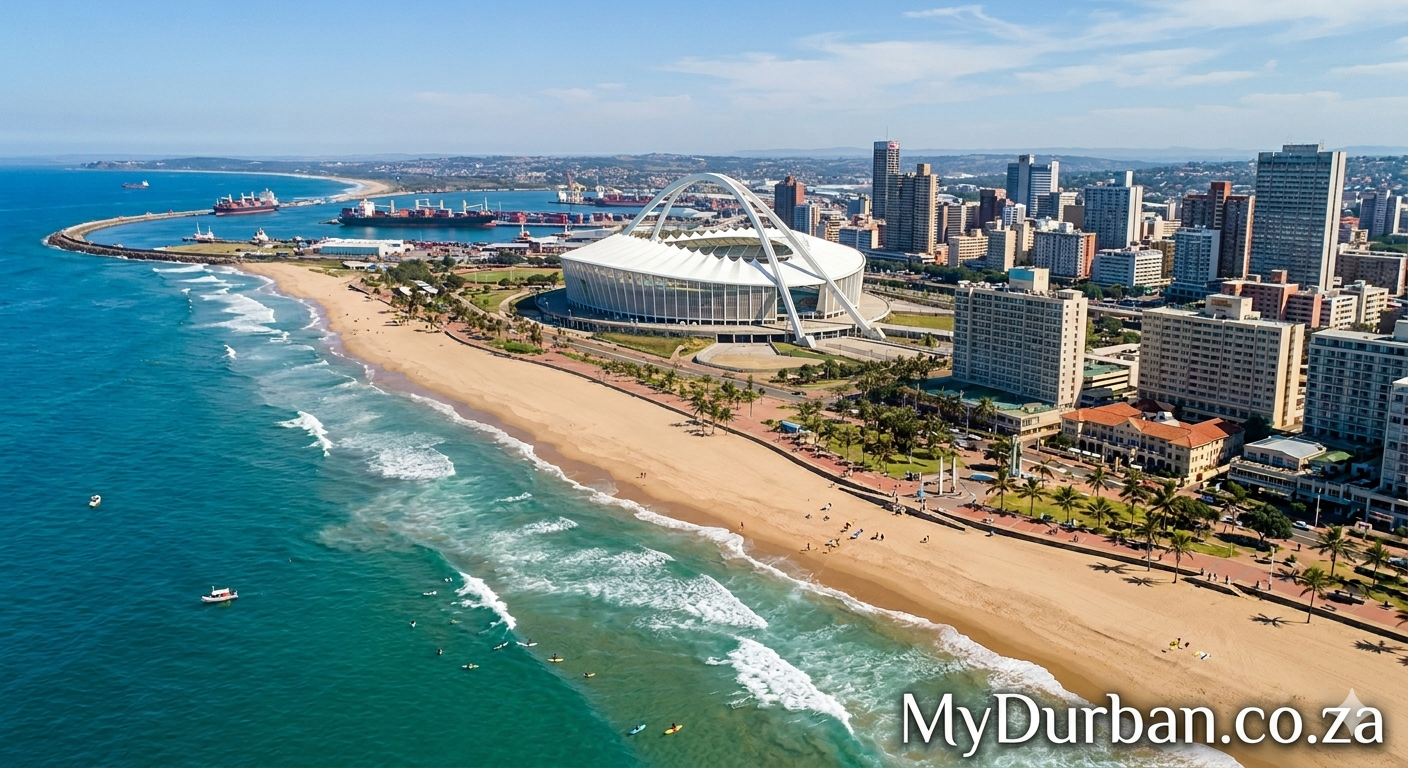
A Durban tagged image from Flickr – click on the name of the photographer below the image to see more Durban goodness.
Image from page 22 of “Natal province : descriptive guide and official hand-book” (1911)

Image by Internet Archive Book Images
Identifier: natalprovincedes00tatl
Title: Natal province : descriptive guide and official hand-book
Year: 1911 (1910s)
Authors: Tatlow, A.H South African Railways. Publicity Dept
Subjects: Railroads
Publisher: Durban, Natal : South African Railways Printing Works
Contributing Library: Robarts – University of Toronto
Digitizing Sponsor: University of Toronto
View Book Page: Book Viewer
About This Book: Catalog Entry
View All Images: All Images From Book
Click here to view book online to see this illustration in context in a browseable online version of this book.
Text Appearing Before Image:
t in this bold defiance t\were influenced by a hope that Holland would intervene in their favour.Designing men interested in trade between that country and Natal hadassured them that sympathy in their cause was universal among the Dutch.The emigrant Boers knew, from their publication at the Cape, the proceedingsof the Legislative Council there, and the views entertained as to Natal, andin February, 1842, the President and Volksraad addressed to Sir G. Napier astatement in great detail of their reasons for leaving the parent colony, oftheir misfortunes and sufferings, and of their resolution not to be again underthe yoke of Great Britain. Notwithstanding their expressed determination not to yield, the Boerstook no active measures to check the advance of the small force of 237 menwhich the Cape Government—fearing the risk of disturbance on its easternfrontier—sent overland to resume possession of Port Natal. The British forcereached the site of the town of Durban early in May, 1842.
Text Appearing After Image:
Old Military Cemetery, Durban. 8 A deputation of Boers met the commanding officer (Captain Smith) atthe Umbilo, a few miles from Durban, and placed in his hands a protestagainst any occupation by the British Government, but no show of resistancewas made. Captain Smith encamped his men at Durban and fortified hisposition. The Boers mustered in considerable force at the Congella ; theybegan to annoy and insult the troops, driving off the cattle that had been usedfor draught on the march, and on the 23rd May, Commandant Pretoriusenjoined Captain Smith by letter to break up his camp and quit the territory.Actual hostilities soon began ; Captain Smith, in command of the small force,marched on the emigrant camp, but was repulsed by Pretoriuss force andobliged to retreat with the loss of several men and two guns. He and hismen were then closely besieged in their camp for two months, almost without supplies. One of the early settlers, RichardKing, who was farming at Isipingo, under-took to ca
Note About Images
Please note that these images are extracted from scanned page images that may have been digitally enhanced for readability – coloration and appearance of these illustrations may not perfectly resemble the original work.
