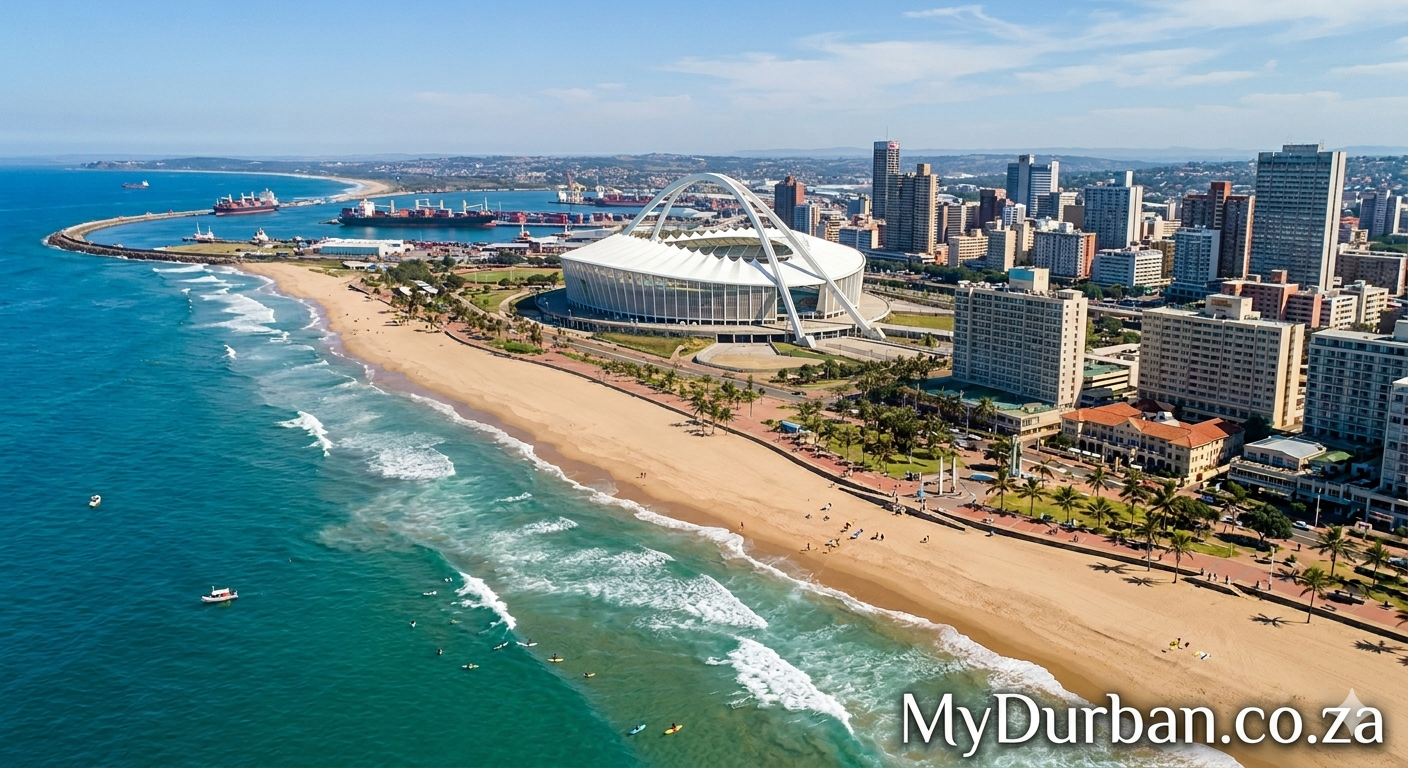
A Durban tagged image from Flickr – click on the name of the photographer below the image to see more Durban goodness.
Image from page 180 of “The citizen and the state; industrial and social life and the empire” (1913)

Image by Internet Archive Book Images
Identifier: citizenstateindu00stra
Title: The citizen and the state; industrial and social life and the empire
Year: 1913 (1910s)
Authors: Strachey, John St. Loe, 1860-1927
Subjects: Industries — Great Britain Great Britain — Social life and customs
Publisher: London : Macmillan
Contributing Library: University of California Libraries
Digitizing Sponsor: MSN
View Book Page: Book Viewer
About This Book: Catalog Entry
View All Images: All Images From Book
Click here to view book online to see this illustration in context in a browseable online version of this book.
Text Appearing Before Image:
ostrich feathers, and otheragricultural products come from South Africa. Theagricultural prospects are good, for the soil, wherethere is water, is very fertile, and here lies the chiefhope of a lasting prosperity for the country. Theclimate is warm and healthy. In 1911 therewere 1,278,000 white inhabitants. The majorityare of British or Dutch descent, but there are manypeople from other European countries. There aremore than four millions of natives, Kaffirs, Hottentotsand other tribes; and about 600,000 other colouredpeople who have gone there from India, the MalayStates and elsewhere. 3. The Provinces of the Union.—The Provinceof the Cape of (iood Hope was originally a D.utchcolony two hundred and fifty years ago, but it hasbeen part of the British Empire for a century. Itnow includes parts of Bechuanaland and of Griqualand,and some other extensions beyond the old border.The coloured population is nearly four times as largeas the white. The Province of Natal now includes issssBsr
Text Appearing After Image:
VIirroKlA KAl.l.S, ZAMUKbl KIVKU 166 THE BRITISH EMPIRE chaI. vii Zululand. Durban is the principal port, and therest of the country is mainly agricultural land lyingbetween the sea and the Drakensberg Mountains.In 1911 there were just under 100,000 whitepeople, nearly all of British origin, more than amillion natives and 140,000 Asiatics. The Transvaalwas the South African Eepublic until 1900, and theProvince of the Orange Free State was another DutchEepublic. The last is almost the same size asEngland, being just over 50,000 square miles. Bothwere subject to the general suzerainty of Great Britain.They were founded by the Boer trekkers fromCape Colony. These Boers hoped for a Dutch Eepublicwhich should rule all South Africa, and with thisobject had made great preparations for the war whichbegan in 1899, so that it was only by a long strugglethat Cape Colony and Natal were kept and the othertwo provinces brought within the British Empire.The whole people now realise the advantages of
Note About Images
Please note that these images are extracted from scanned page images that may have been digitally enhanced for readability – coloration and appearance of these illustrations may not perfectly resemble the original work.
